
Mastering Music Production with SC88: Essential Tips for 2026
Introduction to the SC88 Sound Module
The SC88 is a highly regarded sound module that has left an indelible mark on music production since its release. Developed by Roland, this powerhouse device has found its place in studios worldwide, thanks to its remarkable versatility and broad range of high-quality sounds. When exploring options, SC88 serves as a valuable resource for musicians and producers looking to enhance their audio projects.
What is the SC88?
Launched in the mid-1990s, the SC88 sound module is part of the Roland Sound Canvas series. It is designed to deliver superior audio reproduction through General MIDI (GM) compatibility, making it suitable for various musical applications. With its expansive library of patches and sounds, the SC88 provides users with an impressive sonic palette that can be utilized across multiple genres.
Historical Significance in Music Production
The SC88 represents a significant evolution in digital music technology. At a time when music production was rapidly shifting towards digital formats, the SC88 allowed musicians to produce high-quality music without the need for extensive hardware setups. Its user-friendly interface and robust sound engine became pivotal in the late ’90s and early 2000s, making it a staple in both home studios and professional environments.
Key Features and Specifications
- Sound Library: The SC88 features over 600 high-quality instrument sounds, including pianos, strings, and synthesizers.
- MIDI Compatibility: Fully compliant with GM and GS standards, allowing seamless integration with various MIDI devices.
- Polyphony: Supports up to 64 voices, enabling complex layering and rich textures in compositions.
- Built-in Effects: Comes equipped with a variety of effects, including reverb and chorus, to enhance sound quality.
Setting Up Your SC88 in a Modern Studio
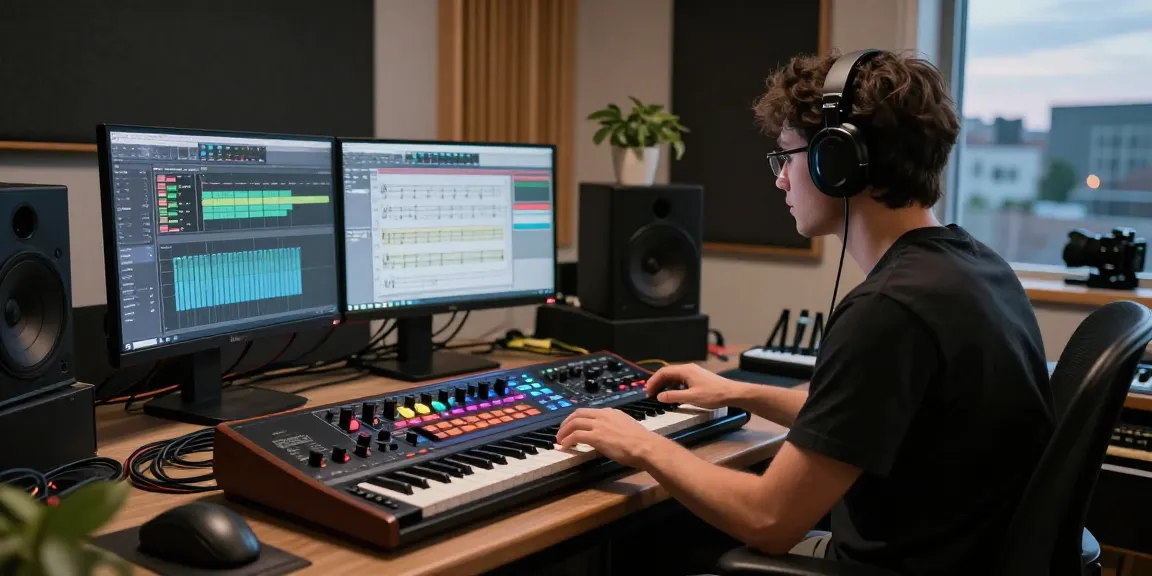
For producers eager to harness the power of the SC88, proper setup is crucial. This module integrates effortlessly into modern digital audio workstations (DAWs), streamlining the music creation process.
Connecting the SC88 to Your DAW
To connect the SC88 to your DAW, you will typically utilize a MIDI interface. This connection allows you to send MIDI data from your DAW to the SC88, which then outputs high-quality audio back to your system. Adjusting settings in both the DAW and the SC88 is necessary to ensure correct communication and optimal performance.
Optimizing Sound Settings for Best Performance
Once connected, optimizing sound settings is essential. This includes selecting appropriate patches, adjusting volumes, and applying effects that suit your musical style. Experimentation is key; different setups yield different results, offering new sonic possibilities.
Integration with MIDI Devices
The SC88 works perfectly with a variety of MIDI controllers and keyboards. This flexibility allows musicians to explore creative ways to perform and record music. Consider incorporating pads, faders, and other MIDI controllers to expand your production capabilities.
Creating Your First Track with SC88
Creating a track with the SC88 can be an exhilarating experience. The module’s diverse sound palette enables unique compositions that can range from simple melodic lines to intricate arrangements.
Understanding Sound Selection and Patches
Choosing the right sounds is essential for effective music production. The SC88 features easy navigation through its sound libraries, making it simple to find the perfect patch for your track. Familiarize yourself with the sounds available and experiment with different combinations to inspire creativity.
Layering Sounds for Depth and Complexity
Layering instruments can significantly enhance the richness of your music. The SC88 allows for multiple sounds to be combined, creating a fuller auditory experience. Consider layering strings with a pad for added warmth, or mixing percussion with melodic elements to create dynamic transitions.
Effective Mixing Techniques
Once you’ve laid down your tracks, mixing is the next crucial step. Use EQ, compression, and effects to ensure each sound occupies its unique space in the mix. The SC88’s built-in effects can aid in this process, delivering polished and professional results.
Advanced Techniques for SC88 Users
For users looking to take their SC88 experience to the next level, exploring advanced techniques can unlock new creative avenues.
Utilizing Effects and Filters
The SC88 is packed with built-in effects that can dramatically transform the sounds you create. Learning how to use these effects effectively enhances your production quality, adding depth and character to your music.
Live Performance Tips with SC88
Performing live with the SC88 is an exciting opportunity to showcase your music. Ensure you have a reliable MIDI setup and practice navigating through your patches seamlessly. This preparation will allow for impromptu performances, making your live shows more engaging.
Collaborating with Other Musicians
The SC88’s compatibility with various MIDI devices makes it ideal for collaboration. Teaming up with fellow musicians can lead to innovative projects that leverage the unique strengths of each collaborator. Share ideas, develop arrangements, and create something truly special together.
Future Trends in Music Production with SC88
As music production continues to evolve, the SC88 remains a relevant tool for musicians looking to adapt to emerging trends.
Emerging Technologies Impacting Music Production
New technologies are constantly reshaping music production. From advancements in software to innovations in hardware, staying informed about these changes can help you leverage them effectively in your work with the SC88.
Predictions for the Music Industry in 2026
Looking ahead, the music industry is expected to experience significant transformations. The integration of AI, virtual reality, and cloud-based collaboration tools will likely change how music is produced and consumed. The SC88’s adaptability positions it well to be part of this transformation.
SC88’s Role in Future Sound Design
As sound design becomes more advanced, the SC88 provides a robust platform for experimentation. Its diverse sound palette and flexible connectivity options enable users to push the boundaries of what is possible in music.
FAQs About the SC88
What are the best features of the SC88?
Some of the standout features include its extensive sound library, high polyphony count, and built-in effects that cater to a variety of musical needs.
Can the SC88 be used for live performances?
Absolutely! Its MIDI compatibility and ease of use make it a great choice for live setups.
How do I troubleshoot SC88 audio issues?
If you encounter audio issues, checking your MIDI connections and DAW settings can often resolve them. Ensure all cables are secure and that the correct outputs are selected.
Is the SC88 compatible with all DAWs?
Generally, the SC88 is compatible with most DAWs that support MIDI input and output, making it a versatile option for producers.
Where can I find SC88 user resources and tutorials?
Online forums, video tutorials, and the official Roland website provide a wealth of resources to help users get the most out of their SC88 experience.